Blog Marketing
Lead magnets: what they are and how to make one useful
A lead magnet is a free resource a business offers in exchange for contact information. It might be a short guide, template or checklist that helps someone complete one specific task. The resource should be useful on its own; asking for an email does not make a generic download a good offer.
Choose a task the resource can solve
Start with one question that comes up before someone buys or hires a service. A resource that tries to solve an entire strategy is hard to use. A short worksheet can help someone make a comparison, check a requirement or prepare a question for the business.
The example below supports one clothing purchase decision. It helps compare a similar garment that already fits with the published measurements for another item.
A complete worksheet for comparing sizes
UNIQLO’s size guide distinguishes body measurements from product measurements. For product measurements, it recommends comparing a similar garment laid flat with the item’s chart; it also explains that design and fabric can affect measurements. The worksheet below applies that comparison to two dimensions. It helps read a chart; it does not promise a particular fit.
Compare a garment with the product chart
You can copy the example or download a blank worksheet with instructions and the worked case. It is freely available here to demonstrate the method; the store offer below illustrates an exchange for an email address. Use centimeters and check that the store measures the item the same way. For shirts, this example uses chest width from armpit to armpit and length down the center back to the hem, following UNIQLO’s guide.
Product you are considering: __________ Style: __________ Date checked: __________
A similar garment that already fits the way you like: lay it flat on a surface without stretching it. Record its measurements and compare them with the product measurements.
| Size | Chest width (cm) | Length (cm) |
|---|---|---|
| Similar garment | 52 | 66 |
| S | 49 | 64 |
| M | 52 | 67 |
| L | 55 | 70 |
In this fictional example, size M matches the reference garment’s width and is 1 cm longer. It is the closest match across these two measurements. That does not guarantee the shirt will feel the same: cut, fabric, stretch and intended ease can all affect fit. The numbers are illustrative, not measurements from a real store.
Before choosing, check whether the chart shows body measurements or finished garment measurements. If it does not say, ask the store. Also note what remains unknown: is the shirt cut closer to the body, does the fabric stretch, and is length measured down the center back? A comparison can help you ask those questions; it does not replace the product’s size guide.
Present the offer clearly
The offer page should say who can use the worksheet, what it contains and what it cannot promise. For a store delivering this worksheet by email, here is sample copy:
Compare a shirt that already fits with the published measurements before choosing a size. Get a one-page worksheet to record width and length in centimeters, compare three sizes and prepare a question for the store if you are unsure how the garment was measured. It compares measurements; it cannot guarantee how a shirt will fit.
A sample form can ask only for an email address if that is what the business needs to send the worksheet. There is no need to ask for a name, phone number, birth date or body measurements for this delivery. If the business also wants to send updates, explain that separately and make clear what messages people will receive. Check the privacy and marketing requirements that apply before publishing a real form.
Deliver the resource you promised
The delivery message should identify the file and explain how to begin. Do not promise an automated sequence or sales follow-up if one does not exist. This is sample copy, not an email that has been sent:
Subject: Your size-comparison worksheet Hello, Here is the worksheet for comparing a garment that already fits with the chart for the item you are considering. First check whether the store publishes body measurements or garment measurements, and use centimeters for both. In the example, size M is the closest match for width and length. The cut and fabric could still affect how it feels. If the chart does not explain its measurements, ask the store before deciding. [Link to the promised resource] This message delivers the worksheet you requested. Commercial updates require a separate, clear choice.
A useful lead magnet makes the exchange clear: what someone will receive, which information is needed to deliver it and what they can do with the resource. This size worksheet helps with one specific comparison; it does not claim to increase sign-ups or sales.
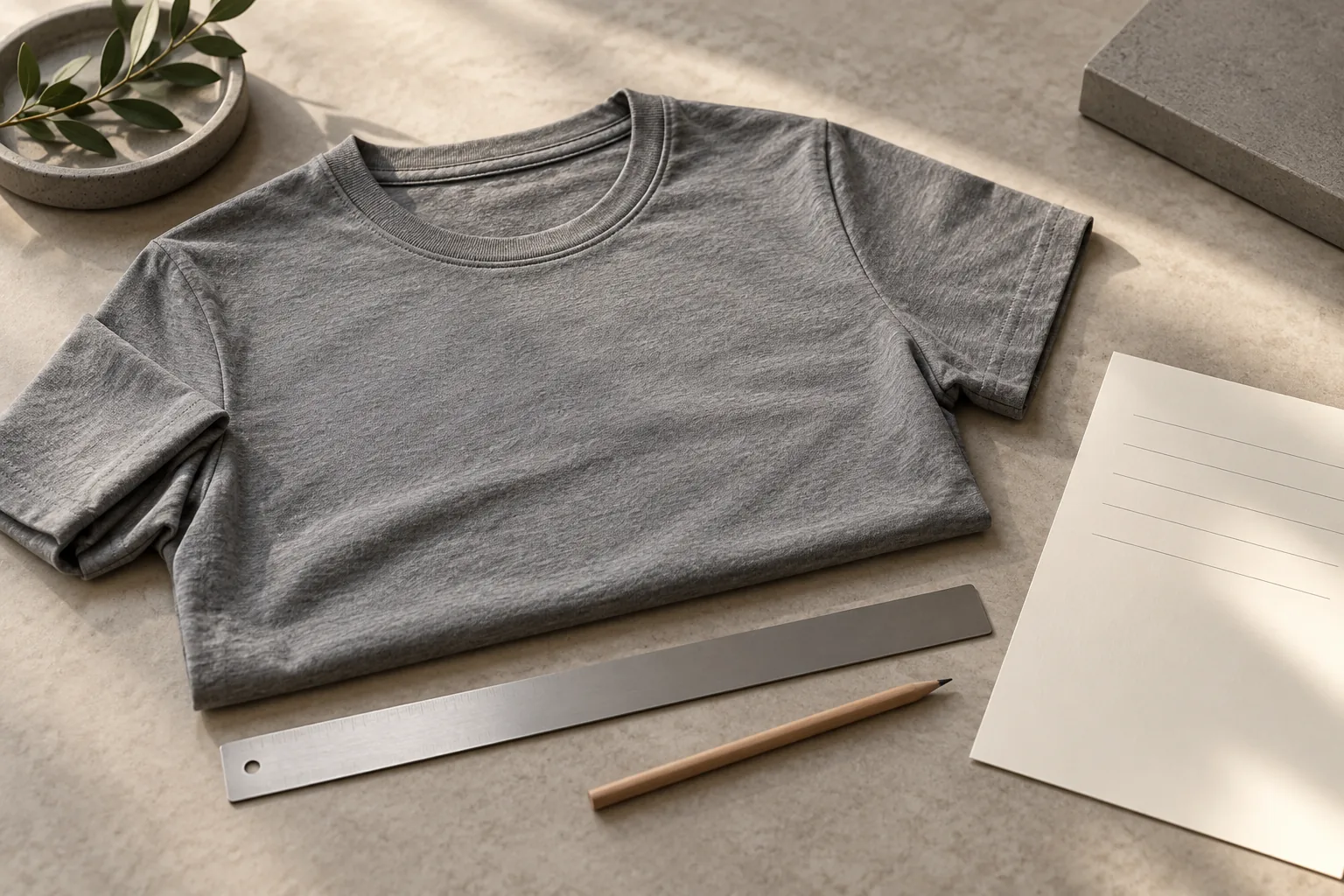
Conceptual cover generated with AI.
Plan your next post in HeyMark.
Keep the idea, review the draft with your team, and see how it performed in the accounts you connected.