Blog CPC
Cost per click: what CPC means and how to calculate it
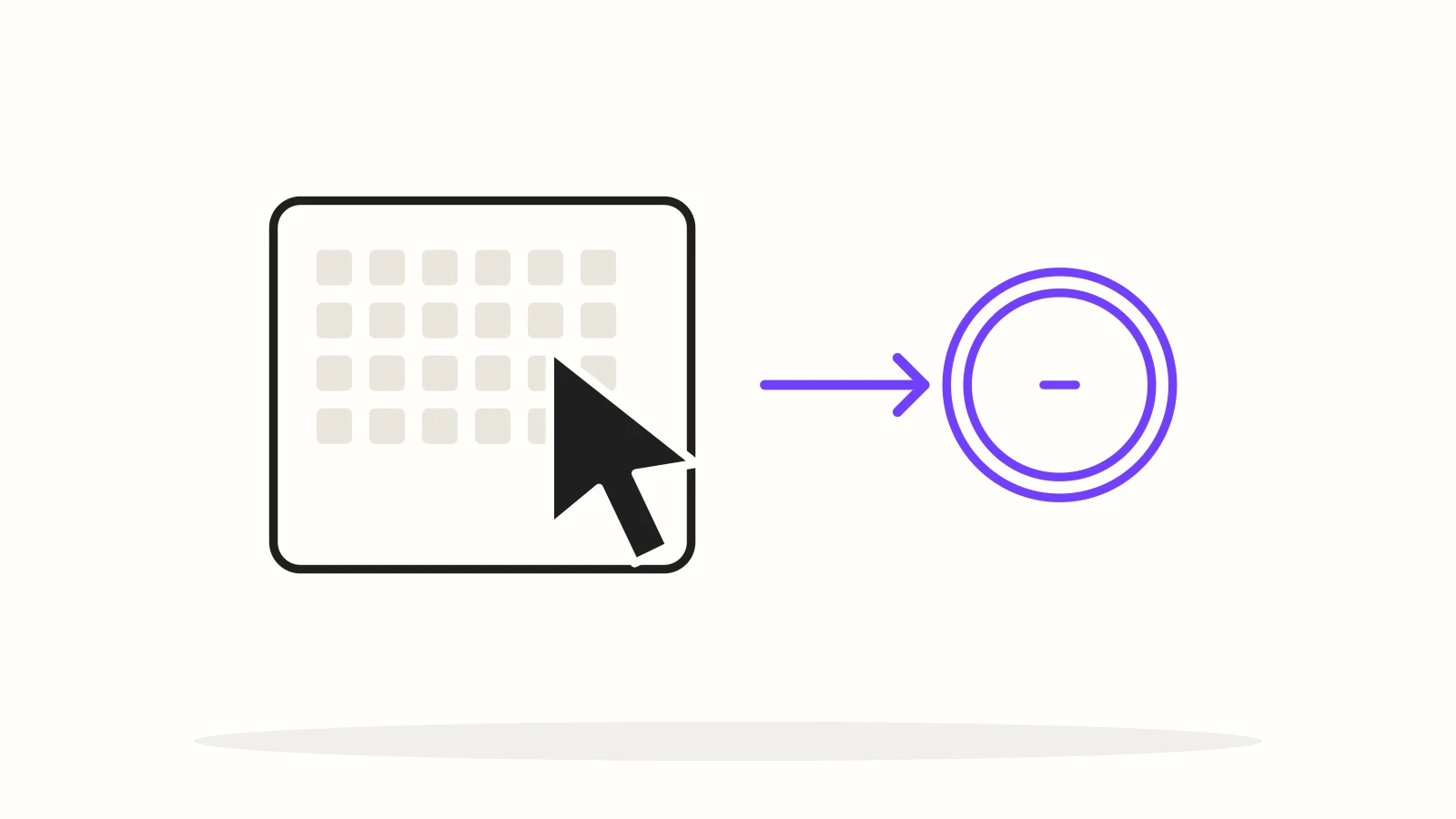
CPC stands for cost per click. A campaign report’s average CPC divides spend by the clicks counted for that same scope. Check which type of click the field counts before comparing platforms.
What does CPC mean, and how do you calculate it?
Average CPC = spend ÷ counted clicks. If a campaign spent CLP 150,000 and its report recorded 1,200 destination clicks, the calculation is:
CLP 150,000 ÷ 1,200 = CLP 125 per destination click
The example is fictional. If the report records zero clicks, the average is undefined; do not present it as a CPC of zero. For the average to be useful, spend and clicks must cover the same campaign, currency, period, and scope. Google’s average CPC documentation uses total click cost divided by total clicks and notes that the average can differ from the charge for any individual click.
Is average CPC the same as a max CPC bid?
No. Average CPC describes the cost recorded in a report. A max CPC bid is a limit an advertiser sets for certain campaign types. Google explains the distinction in its documentation on CPC bidding; that explanation is specific to Google Ads.
Check which click a field counts, too. TikTok, for example, separates clicks in general from destination clicks and defines destination CPC as the average cost for a click to the destination specified in setup. See its official basic data definitions. Do not relabel a field as simply “clicks” if the report says link clicks, destination clicks, or another specific type.
Does a lower CPC mean a campaign performed better?
Not on its own. Cost per click describes only the average price of the selected click. To judge whether a CPC is good for your goal, check what happened afterward using the same outcome definition and period.
In this fictional case, both campaigns spent CLP 150,000. A recorded 1,200 clicks and 12 confirmed bookings; B recorded 600 clicks and 30 confirmed bookings.
| Campaign | Spend, clicks and bookings | Calculated costs |
|---|---|---|
| A | CLP 150,000; 1,200 destination clicks; 12 confirmed bookings | CPC: CLP 125; cost per booking: CLP 12,500 |
| B | CLP 150,000; 600 destination clicks; 30 confirmed bookings | CPC: CLP 250; cost per booking: CLP 5,000 |
Swipe the table to see all columns.
cost per booking = spend ÷ confirmed bookings
B has a higher CPC and a lower cost per booking in these figures. This does not prove the campaign caused the bookings or that the difference will repeat. Agree on what counts as a booking and how it is attributed before comparing. To distinguish clicks from website sessions, see social media UTM tracking; to choose a measure for your goal, see the social media KPI guide.
Plan your next post in HeyMark.
Keep the idea, review the draft with your team, and see how it performed in the accounts you connected.