Blog Marketing
Experiential marketing: what it is and a worked example
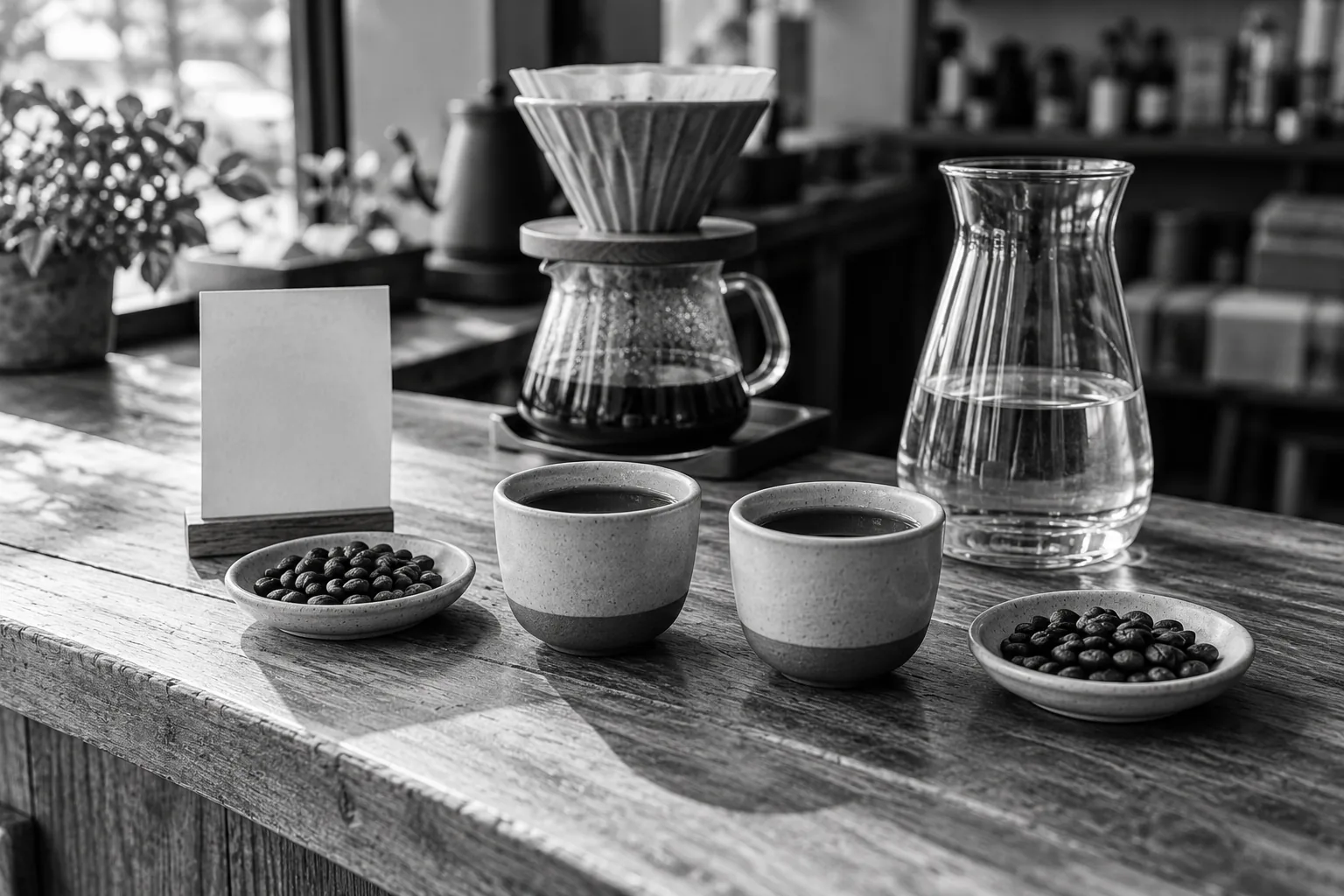
Experiential marketing deliberately plans an experience connected to a brand, product or service so people can interact with what is being offered. It might be an in-person activity, a demonstration, a trial or a digital journey. An activity can provide the format; the design considers what a person does and understands while taking part.
The design can combine perception, thought and participation in physical or digital settings. Schmitt and Zarantonello’s review describes those settings and their measurement challenges. A Delphi study of experiential marketing, based on an expert panel, proposes that the experience’s impact may vary with participants’ ability and motivation to become immersed. Drawing on that framework, we suggest offering different ways to participate; it does not show that a particular activity will generate sales.
A real reference and what it shows
Starbucks Reserve says on its official page that some locations offer interactive coffee bars, tastings and workshops; it recommends reservations for special experiences such as tastings. This is an observable offer showing how coffee can become part of a participatory activity. The FAQ documents that offer and its conditions; it leaves its effect on sales or loyalty unreported. Starbucks’ scale and brand recognition are also specific conditions that a neighborhood coffee shop would need to assess separately. See Starbucks Reserve’s FAQs.
A complete tasting for a neighborhood coffee shop
Fictional case: Patio Claro Café wants to introduce two coffees it already serves. Participants try both preparations, compare them and choose which one they would order; the host briefly introduces each coffee. The session lasts 30 minutes, is free, requires no purchase and has room for 18 people. Each sample is black coffee brewed with water and no additions; the café tells guests that it contains caffeine and serves no food during the session. Each participant receives two 30 ml samples for the tasting.
On arrival, the host explains that the samples contain caffeine and that guests can observe without tasting. Each person decides whether to taste. The host serves coffee A first, offers water and then serves B, asking: “Which would you order as a full cup, and what did you notice that helped you choose?” Guests can answer aloud, point to their choice or simply observe. Afterwards, the menu shows where to find each coffee. Aroma and flavor provide the sensory part; comparing and choosing connects the experience to the offer.
The 18 planned places require 36 samples, two per person. At 30 ml each, that is 1,080 ml to serve, before any allowance needed by the brewing method. This is a fictional supply estimate; actual attendance and consumption are recorded afterwards.
TASTE TWO SINGLE-ORIGIN COFFEES Saturday, November 14, 2026, from 11 to 11:30 a.m. Try two coffees and compare what you notice in each cup. Free, no purchase needed; 18 spots. Two 30 ml samples per person; both contain caffeine. No food is served. Reserve at the counter by 6 p.m. on Thursday, November 12. Ask for the 11 a.m. tasting. You can also come to observe and learn about the coffees without tasting them.
The coffee shop confirms the time is available, staff can host 18 people and ingredient and allergen information matches what it will serve. Anyone who prefers to avoid caffeine or does not want to taste coffee can observe without tasting, as the invitation states. The team explains that option before taking a reservation.
How to review the activity
Record reservations, arrivals, people who complete the comparison, samples served and purchases made during the session. Each number answers a different question: capacity, participation, product use or transaction. If you collect comments, ask permission before keeping or publishing a remark attributed to someone.
These records help the team review whether the length, capacity and explanation worked for this session. Evaluating whether the experience caused a purchase would require a measurement design that can compare alternatives and account for other factors. The Columbia chapter abstract raises the broader challenge that measuring experiences and understanding their place in decisions takes methods beyond observing an activity.
Afterwards, the team can decide whether to repeat the session, adjust capacity or change how it introduces the coffees. That decision can use what happened and the conditions the team can verify, without assuming every participant experiences the activity in the same way.
The cover is an AI-generated illustration.
Plan your next post in HeyMark.
Keep the idea, review the draft with your team, and see how it performed in the accounts you connected.